
If you’ve been putting off replacing a missing tooth, you’re not alone. Dental implants in Pasadena are one of the most searched dental topics for good reason: they offer a permanent, natural-looking solution that most people know very little about until they actually need one. This article cuts through the noise so you can walk into a consultation already knowing what to expect.
What Are Dental Implants?
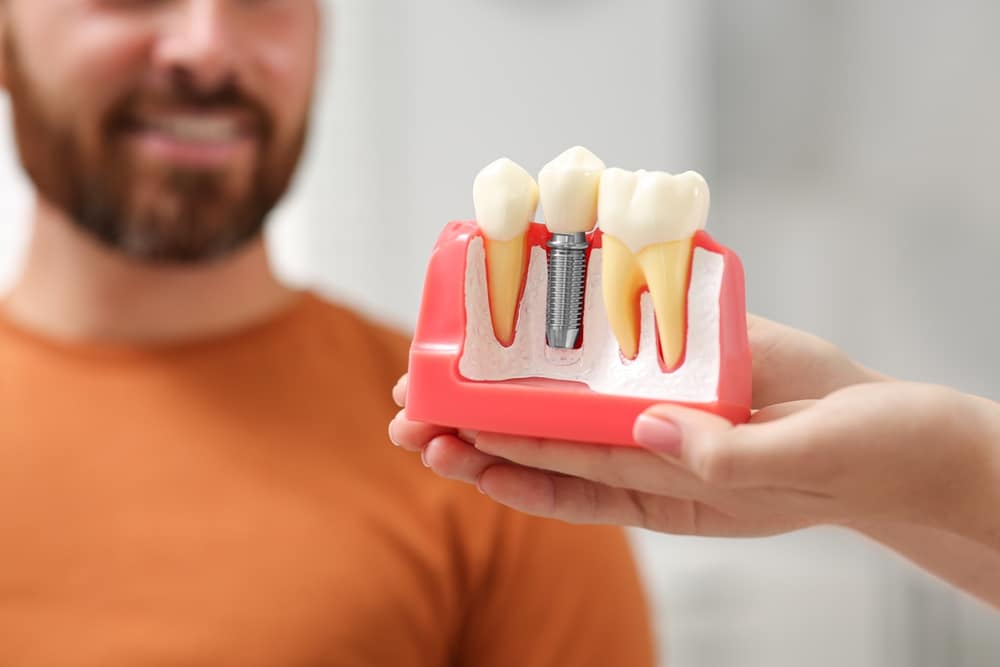
A dental implant is a tooth replacement system made up of three components: a titanium post that integrates with the jawbone, an abutment that connects the post to the restoration, and a crown designed to match the look and function of your natural teeth. The post acts as an artificial root, anchoring the crown firmly so it doesn’t shift or slip the way removable options can.
Once placed, the implant bonds with surrounding bone through a process called osseointegration. This creates a stable foundation that supports normal chewing and helps preserve jawbone density over time. The result is a replacement tooth that functions like the real thing and requires the same daily care.
Why Patients Choose Implants Over Other Options
There are several reasons implants have become the preferred standard for tooth replacement. Here are five of the most significant:
- Restored chewing function so you can eat comfortably without restrictions
- Jawbone preservation that prevents the gradual bone loss that follows tooth loss
- Natural appearance with crowns matched to the shape and shade of surrounding teeth
- Long-term durability with proper care and regular checkups
- No impact on healthy neighboring teeth, unlike bridges that require shaving adjacent enamel
For many patients, the long-term value outweighs the upfront investment, especially given that alternatives often require replacement or adjustment over time.
Dental Implants in Pasadena: Common Myths, Addressed
A lot of hesitation around implants comes from outdated information or secondhand horror stories. The most common fear is pain. Most patients describe post-procedure discomfort as mild and short-lived, typically manageable with over-the-counter pain relief. Soreness in the first few days is normal; significant pain is not the standard experience.
Another misconception is that implants are only for younger patients. Age alone is rarely a barrier. What matters more is bone quality and general health. A thorough evaluation, including imaging to assess bone structure, gives a much clearer picture of candidacy than age ever could.
Some patients also assume the process takes a very long time. While the full timeline from placement to final crown can span several months to allow for proper healing, many of the individual steps are completed in single visits. Dr. Lloyd Laughlin and the team at Laughlin Dental work through each phase methodically so nothing is rushed and every stage is completed correctly.
What the Process Actually Looks Like
The process starts with a comprehensive evaluation that includes imaging to map bone structure and identify the optimal placement site. From there, the implant post is surgically placed in the jawbone during a procedure that takes place under local anesthesia.
After placement, a healing period follows while the implant integrates with the surrounding bone. Once that process is complete, the abutment and custom crown are attached. The crown is designed to fit the specific bite and contour of your mouth.
Follow-up visits confirm that healing is progressing well and that the bite feels right. It’s a straightforward sequence when each step is handled with proper planning and precision. You can get a sense of the care and attention behind each appointment by looking at the technology used at the practice or taking a look at the office itself.
Frequently Asked Questions
How long does the full process take?
Most patients complete treatment within three to six months, depending on how quickly the implant integrates and whether any preparatory work is needed beforehand.
Will dental insurance cover implants?
Coverage varies widely by plan. Some policies include partial coverage for implant-related procedures, while others don’t cover them at all. The front desk can run a benefits check to clarify what applies to your situation.
What if I’ve already lost significant bone?
Bone grafting may be an option to rebuild density before implant placement. This is assessed during the initial consultation.
Are implants difficult to maintain?
No. They’re cleaned the same way natural teeth are: brushing, flossing, and regular professional cleanings.
How do I know if I’m a good candidate?
The best way to find out is through an in-person evaluation. Candidacy depends on bone health, gum condition, and overall health history.
Get a Straight Answer at Laughlin Dental
Replacing a missing tooth is worth doing right. If you’ve been curious about dental implants in Pasadena and want answers specific to your situation, Laughlin Dental is a short drive away. Browse the full list of services offered or go straight to the dental implants page for a deeper look. When you’re ready to talk through your options, reach out directly, and the team will help you figure out what makes sense for your situation.